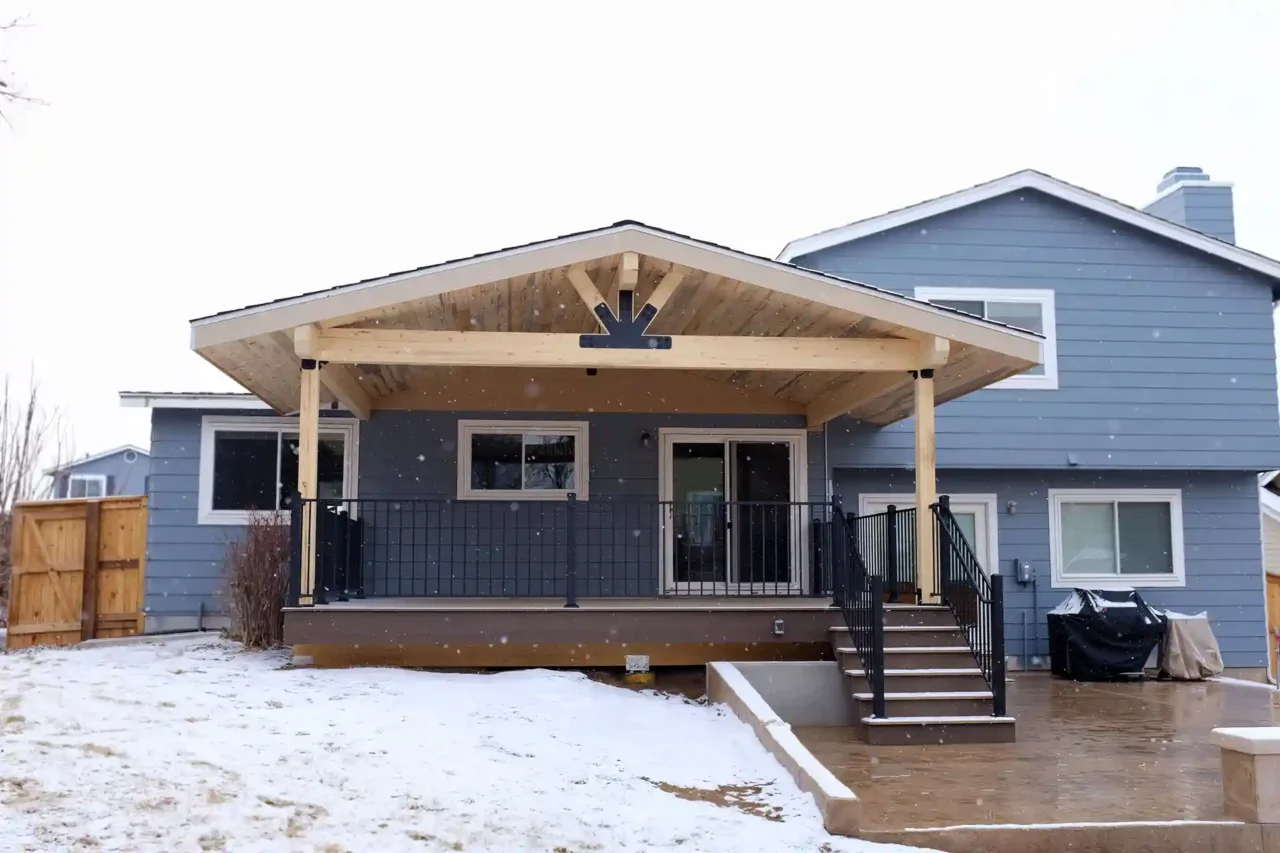
Looking for a quick answer? Composite deck stairs are a durable, low-maintenance alternative to wood stairs that keep your outdoor living space looking great with less upkeep and fewer long-term repairs. Freedom Deck Builders designs and installs composite deck stairs using premium brands like Trex, TimberTech, TimberTech/AZEK, and Deckorators, and we help homeowners choose stair layouts and finishes that match their lifestyle and home.
Why this matters: Composite deck stairs resist rot, insect damage, and many common problems that plague wood stairs, so they often last longer and require less long-term care and maintenance cost over the life of your deck.
Freedom Deck Builders builds custom outdoor living spaces throughout South Denver and the Greater Denver area, regularly specifying composite materials for stairs and decks to deliver long-lasting results that homeowners enjoy year after year. Our team has completed more than 1,000 projects and focuses on clear communication and premium composite products like Trex, TimberTech, AZEK, and Deckorators to reduce future maintenance for homeowners.
Homeowner Insight: If you’re already investing in a composite deck, matching composite deck stairs helps protect the full value of your project and keep everything looking consistent over time.
This guide walks through why composite deck stairs are a smart choice, what materials are used, common design options, cost and timeline considerations, maintenance advice, environmental considerations, and when to call a pro versus attempting DIY. Read on to learn practical tips that help you plan and protect your composite deck stairs for years to come.
Why Choose Composite Deck Stairs?
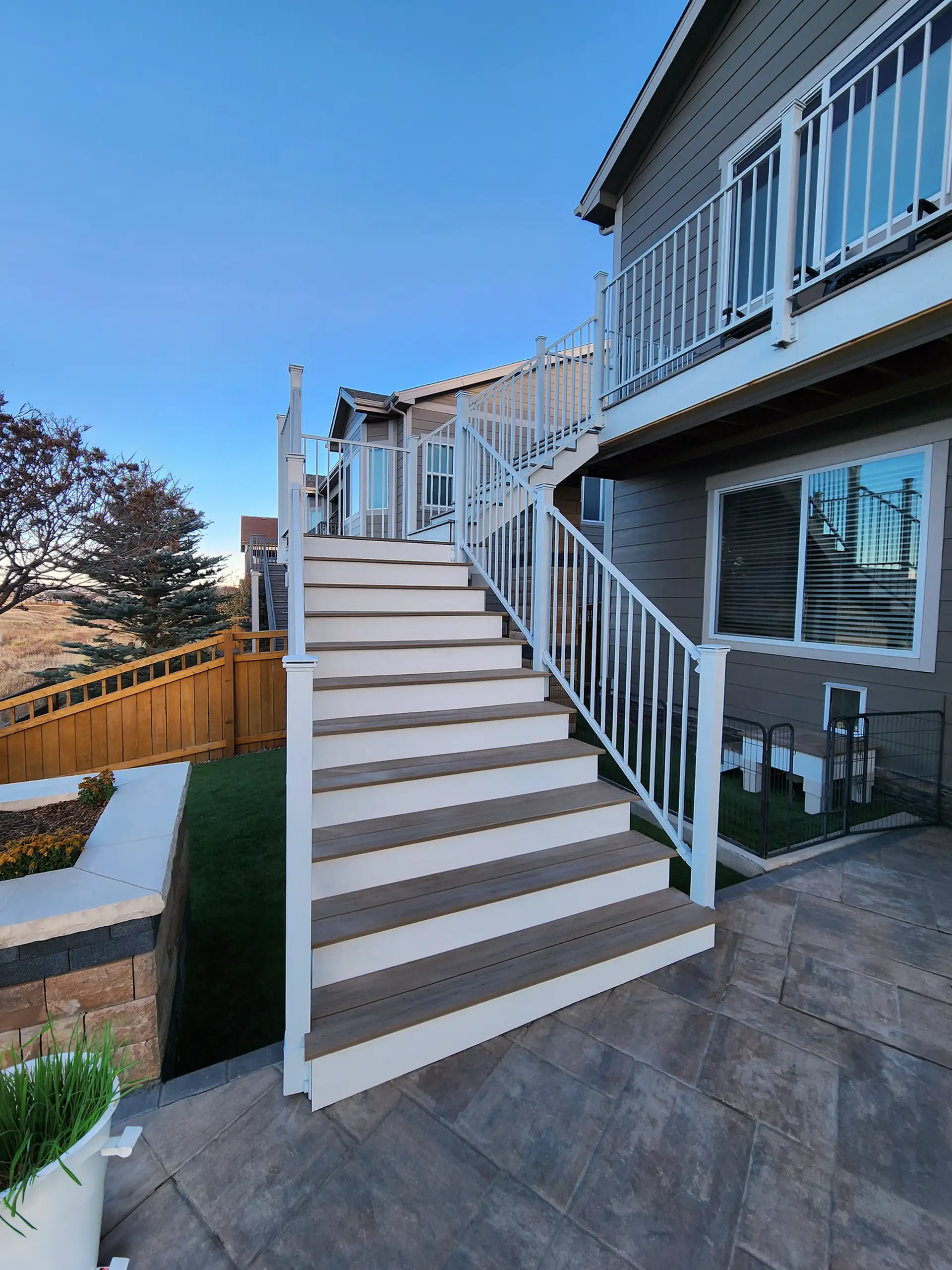
Composite deck stairs are chosen for their combination of durability, low maintenance, and attractive finish compared with traditional wood. Homeowners get a stair system that looks like wood but resists moisture, insects, and season-driven wear.
- Durability and Longevity: Composite materials are engineered to resist rot and insect damage, making composite deck stairs less likely to need replacement. In Colorado’s variable climate, that stability means fewer repairs and longer life for your stair treads and risers.
- Low Maintenance: Unlike wood, composite deck stairs do not require regular staining or sealing; a periodic wash is usually enough. That saves time and cost over the life of the stairs while keeping the appearance consistent.
- Aesthetic Appeal: Composite stair options come in a wide range of colors and surface textures that mimic real wood without the splitting or splintering that wood can develop. That lets you match composite deck stairs to decking and railings for a cohesive outdoor look.
If you’re weighing composite deck stairs against wood, think beyond the initial price. Wood can look great on day one, but ongoing staining, sealing, and repairs add up in both time and money. Composite stair installation typically costs more up front but often wins on total cost of ownership over 15–20 years.
Thinking about a deck or stair upgrade? A short design conversation can help you compare composite deck stairs, railing options, and layouts for your Colorado home. Schedule a no-pressure consultation with Freedom Deck Builders to talk through cost, timeline, and design ideas for your project.
Materials Used in Composite Deck Stairs

Choosing the right composite materials for stairs impacts appearance, slip resistance, and longevity. Many reputable brands supply stair treads, nosing, and trim that are specifically rated for stairs and high-traffic areas.
Freedom Deck Builders commonly specifies premium decking and stair products such as Trex, TimberTech (including TimberTech/AZEK), and Deckorators, all of which offer stair-specific components and compatible trim pieces for a finished look.
What Is Composite Decking Made Of?
Composite decking combines wood fibers (or other cellulosic materials) with recycled plastics and binders to form a stable, molded board. Surface technology varies by brand—some use capped composites or PVC faces to improve fade and stain resistance.
For composite deck stairs, these materials are shaped into stair treads, risers, and nosing pieces that can handle heavy foot traffic and outdoor exposure without the constant maintenance wood requires.
Types of Composite Decking for Stairs
Stair components are available to match most composite deck boards and fall into three general types: capped composite, hollow composite, and solid PVC/advanced polymer. Each type has trade-offs for weight, appearance, and long-term performance.
- Capped Composite: These boards have a weather-resistant outer shell for improved fade and stain resistance. They’re a common choice for visible composite deck stairs because they balance look and durability.
- Hollow Composite: Lighter-weight boards that can work for some stair applications but require proper stair nosing and support. They save weight and can reduce material costs when designed appropriately.
- Solid PVC/Advanced Polymer: These offer excellent moisture resistance and minimal swelling or decay. They are often used where maximum longevity is desired and in climates with wide temperature swings.
Cost Consideration: Higher-end capped composites and advanced PVC options often cost more initially but can reduce long-term maintenance and replacement costs, especially on high-traffic composite deck stairs.
Why Freedom Deck Builders Is Different For Composite Deck Stairs
Many contractors can assemble stairs; fewer specialize in designing composite deck stairs that perform well in Colorado’s climate and integrate with a complete outdoor living plan. Freedom Deck Builders focuses on composite deck construction and stair systems that fit real households and yards across the South Denver area.
- Specialized Composite Expertise: Our team regularly works with premium products like Trex, TimberTech composite decking, TimberTech/AZEK advanced PVC, and Deckorators, so your composite deck stairs are matched to proven materials and manufacturer guidelines.
- Over 1,000 Completed Projects: With more than 1,000 outdoor projects across South Denver, we bring real-world experience in stair layouts, code requirements, and framing details that keep composite deck stairs solid and quiet underfoot.
- Clear Communication & Transparent Pricing: From the first conversation, you’ll know what’s included, what your composite stair installation will cost, and what to expect at each step—no hidden fees or confusing change orders.
- One Team, Start to Finish: You meet your project team early, and the same people follow your job from design through composite stair installation, so details don’t get lost between handoffs.
- Premium, Low-Maintenance Results: We prioritize low-maintenance composite solutions—Trex, TimberTech, AZEK, and Deckorators—so your composite deck stairs look great with simple cleaning instead of recurring staining and sealing.
Planning a new deck or stair remodel? If you’re comparing options for composite deck stairs in Colorado, request a free estimate from Freedom Deck Builders to get clear pricing, a realistic timeline, and material recommendations tailored to your home.
Design Options For Composite Deck Stairs
Composite deck stairs are highly customizable in layout and style, letting you match the stairway to your deck design and yard. The stair layout you choose affects material needs, safety considerations, timeline, and the overall flow from deck to yard.
Straight Stairs
Straight stairs are the most common and efficient layout, providing a direct route between the deck and yard. They’re typically the simplest to build and easiest to finish with matching composite treads and nosing.
- Efficient use of materials
- Typically faster composite stair installation timeline
- Works well for modest elevation changes and open yards
L-Shaped Stairs
L-shaped stairs add a visual break and can help negotiate property lines, slopes, or hardscaping. They provide a larger landing area and can make transitions safer and more comfortable.
- Built-in landing improves safety and rest points
- Helps composite deck stairs turn corners around patios or walkways
- Good option when you need to keep stairs within a smaller footprint
Spiral Stairs
Spiral stairs are a stylish, space-saving option ideal where a straight run won’t fit or where you want a design feature. Freedom Deck Builders offers spiral options built from durable, maintenance-free materials for multi-level decks. Learn more about spiral staircases as a deck feature.
Multi-Level Stairs
Multi-level stairs integrate with tiered decks and landscapes, creating a cohesive path through different outdoor living areas. These configurations often require tailored framing and careful planning to meet safety codes and maintain comfortable riser heights.
Planning Tip: If you’re adding composite deck stairs to a multi-level deck, talk with your builder about how traffic will move between spaces—lounging, dining, and yard access—so stairs feel natural instead of in the way.
For more ideas on how stairs connect to elevated and multi-level decks, explore Freedom Deck Builders’ multi-level deck services and project gallery for real examples from Colorado backyards.
Composite Deck Stairs Railings and Accessories
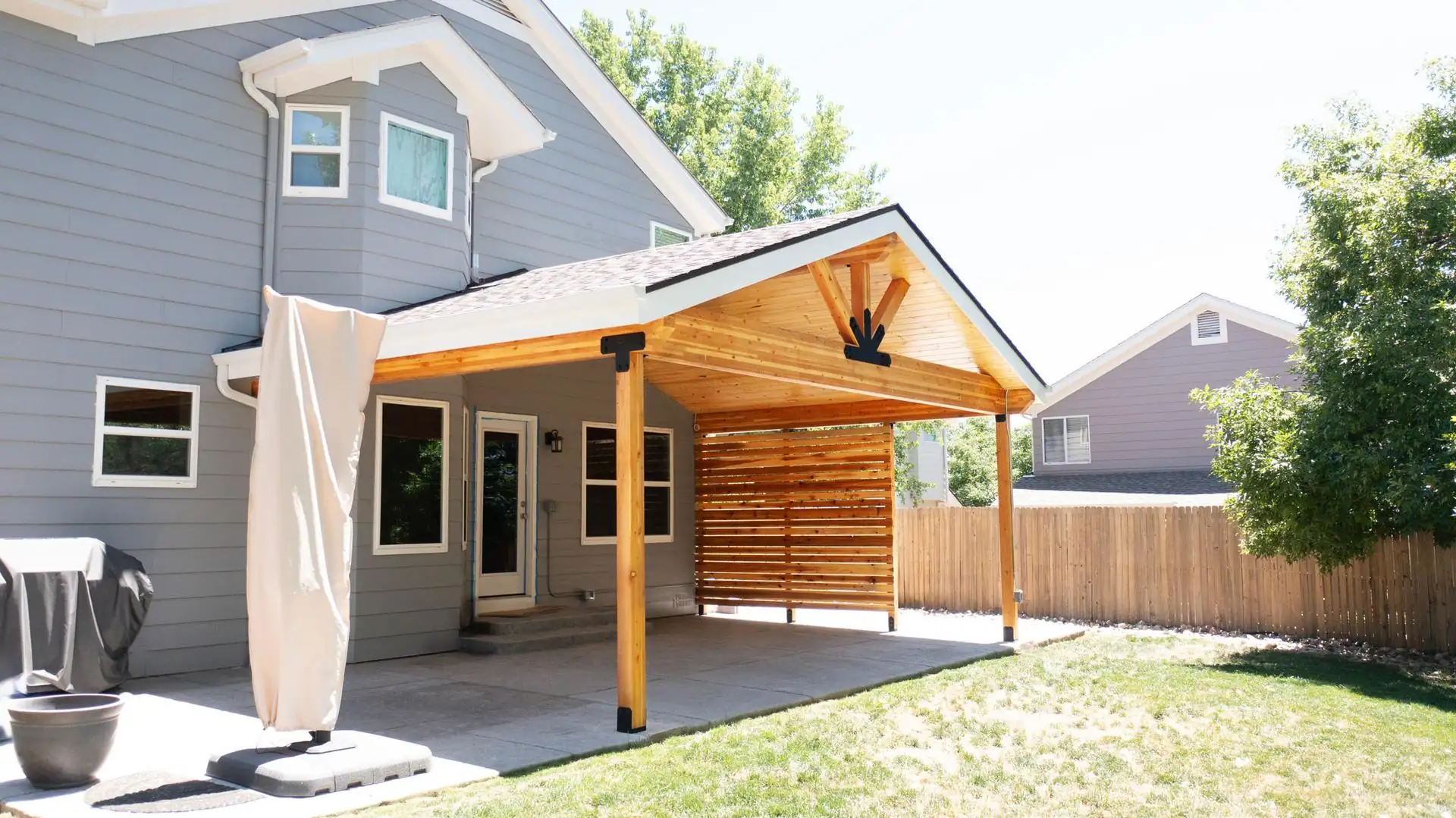
Railings and stair accessories provide complete safety and style for composite deck stairs and are essential for code compliance on elevated stairs. Choose from aluminum, cable, glass, and composite railing systems that complement your stair treads and overall deck aesthetic.
- Railing Type Options: Aluminum, cable, and glass provide different blends of visibility and durability. Each system pairs with composite posts or wrapped posts to create a finished look. Freedom Deck Builders offers a range of custom deck railings that pair well with composite deck stairs.
- Lighting and Safety: Integrated stair lighting adds safety and ambiance for evening use. Lighting can be recessed into treads or mounted on risers and posts for even illumination. Explore options in our deck lighting services to see how lighting transforms composite deck stairs at night.
- Trim and Nosing: Purpose-made stair nosing and fascia pieces create a neat edge and reduce tripping risk. Using manufacturer stair nosing designed for your composite boards keeps warranties intact and ensures a tight fit.
Common Mistake: Mixing generic metal nosing with brand-name composite deck stairs can lead to warranty issues and fit problems. Stick with stair components approved by the manufacturer of your decking.
Maintenance and Care for Composite Deck Stairs
Composite deck stairs need less maintenance than wood, but they still benefit from seasonal care to remove debris and prevent staining. Regular attention keeps stairs safe, attractive, and free of slip hazards.
Cleaning Composite Deck Stairs
Routine cleaning with soap and water and a soft brush removes dirt and prevents buildup. For tougher stains, use manufacturer-recommended cleaners and follow instructions to avoid damaging the surface.
- Sweep composite deck stairs regularly to clear leaves and grit.
- Wash treads and risers with mild soap and water a few times per season.
- Rinse thoroughly to prevent soap residue, which can create a film.
Pro Tip: Add a quick stair rinse to your spring and fall yard cleanup. Keeping composite deck stairs clear of debris is one of the easiest ways to extend their life and maintain traction.
Common Issues and How to Prevent Them
Most common stair issues are preventable with good design and simple upkeep. Addressing small problems early keeps repair costs low and extends the life of your stairs.
- Dealing With Stains and Mildew: Clean spills promptly with soap and water; for mildew, use a mild oxygen-based cleaner. Regular sweeping and keeping gaps clear prevent organic buildup that leads to staining.
- Preventing Scratches: Use furniture pads and avoid dragging heavy items up or down stairs. Choose scratch-resistant capped composites for higher-traffic areas to minimize visible wear.
- Protecting Against Fading: Pick a composite with a durable cap and UV protection, and avoid placing reflective surfaces that intensify sun exposure. Periodic washing removes surface contaminants that can accelerate fading.
If you’re unsure which cleaners are safe for your specific composite deck stairs, your installer or the product manufacturer can recommend approved products to help you avoid damaging the surface.
Environmental Impact of Composite Deck Stairs
Composite materials often use recycled plastics and reclaimed wood fibers, which reduces demand for virgin timber and diverts plastic from landfills. Many manufacturers track recycled content and offer long-lived products that cut lifecycle environmental costs compared with repeated wood replacements.
When planning stairs, consider materials with high recycled content and long warranties to maximize environmental benefits while keeping maintenance low. Manufacturers like Trex and TimberTech highlight sustainability in their product lines, so your composite deck stairs can be both practical and environmentally responsible.
Common Problems With Composite Deck Stairs
While composite stair systems are resilient, a few problems can occur over time—particularly if installation or drainage is poor. Understanding these issues helps you spot them early and get timely repairs.
Possible Issues Over Time
Warping, fading, and scratches can occur with any outdoor material, but they are usually less severe on quality composite products. Address minor scratches with manufacturer-recommended touch-up options and plan for replacement of heavily worn treads when needed.
Moisture Buildup and Mold
Composite resists rot but can trap moisture if ventilation and drainage beneath stairs are inadequate. Proper framing and gap spacing, along with periodic cleaning, prevent mold and mildew from taking hold in shaded or poorly ventilated areas.
Common Mistake: Closing off the area under composite deck stairs without ventilation can trap moisture and encourage mold. Ask your builder how they’re handling airflow and drainage beneath the stairs.
Weak Spots or Loose Risers
Loose risers or weak spots are usually a structural issue from framing or fastener problems rather than the composite itself. If you notice movement or creaks, have a professional inspect the framing, fasteners, and connections to ensure safe, long-term performance.
Noticing soft spots or movement? If your existing composite deck stairs feel loose, it’s a good time to bring in a pro. Reach out to Freedom Deck Builders for a stair inspection and recommendations if you’re in the South Denver or Greater Denver area.
Professional vs. DIY Installation
Installing composite deck stairs is doable for experienced DIYers, but proper framing, stair geometry, and nosing installation are critical for safety and longevity. Missteps in layout or fastening can create safety hazards or void product recommendations.
Freedom Deck Builders offers full-service design and installation for composite deck stairs and can help you choose compatible materials, stair nosing, and rail systems that meet local codes and homeowner expectations. For homeowners who want to manage parts of a project themselves, we provide guidance and recommend using manufacturer-supplied stair components to ensure a proper fit.
Cost Consideration: Rebuilding composite deck stairs that weren’t installed correctly can cost more than doing them right the first time. If you’re unsure about code requirements, slope, or framing, it’s usually more cost-effective to hire a pro.
To see how composite deck stairs fit into larger outdoor projects, explore our composite deck builder services and custom deck construction offerings for South Denver homes.
Composite Deck Stairs FAQs
What are composite deck stairs made of?
Composite deck stairs are made from a mixture of wood fibers and recycled plastics bound with resins, often with a protective cap for better weather resistance. Manufacturers design stair-specific profiles and nosing to handle foot traffic and outdoor exposure.
How do composite deck stairs compare to wood stairs?
Composite deck stairs require far less maintenance than wood and resist rot and insect damage, though they can cost more upfront. Over time the lower maintenance and longer useful life often make composite a better value for many homeowners, especially in Colorado’s freeze-thaw conditions.
Can composite deck stairs be customized?
Yes—composite deck stairs are available in many colors, textures, and configurations, and can be paired with a variety of rail systems and lighting. Freedom Deck Builders works with homeowners to match stair design to the deck and landscape, including multi-level and curved stair layouts where appropriate.
Do composite deck stairs require a lot of maintenance?
No—routine sweeping and occasional washing is usually sufficient to keep composite deck stairs in good condition. Periodic checks for debris, stains, or trapped moisture keep the stairs looking their best and help avoid slip hazards.
Are composite deck stairs safe?
Yes—when installed with proper nosing, slip-resistant surfaces, and code-compliant railings, composite deck stairs are safe for everyday use. Choosing stair products designed specifically for treads and nosing improves traction and safety.
Can I install composite deck stairs myself?
Experienced DIYers can install composite deck stairs if they understand stair geometry, framing, and fastening requirements, but mistakes can be costly and unsafe. For most homeowners, hiring a professional ensures correct installation, code compliance, and an accurate project timeline.
How long do composite deck stairs last?
High-quality composite deck stairs typically last 20 years or more with proper design and maintenance, depending on product and climate exposure. Choosing reputable brands and correct installation maximizes lifespan.
How much do composite deck stairs cost?
The cost of composite deck stairs depends on stair length, layout (straight vs. L-shaped or multi-level), railing choices, and material tier (standard composite vs. advanced PVC). While they usually cost more than wood stairs upfront, many Colorado homeowners find that the reduced maintenance and longer lifespan make composite deck stairs a better long-term investment. A local contractor can provide a project-specific estimate that factors in your site conditions and design.
How long does composite stair installation usually take?
Timeline varies with project complexity. Simple, straight composite deck stairs can often be built within a few working days once framing is ready, while multi-level or integrated stair systems on larger decks take longer. Weather, permitting, and inspection schedules in the Denver area can also influence the overall project timeline.
Transform Your Composite Deck Stairs With Freedom Deck Builders Today
Freedom Deck Builders can help you design and install composite deck stairs that balance beauty, safety, and low maintenance for Colorado living. Composite deck stairs are a long-lasting investment, and our team will walk you through materials, layouts, cost expectations, and finishes so there are no surprises.
Whether you’re upgrading an existing deck or planning a full outdoor renovation near Denver, Littleton, Highlands Ranch, or surrounding communities, we’ll help you choose composite deck stairs that fit your home and how you live. Contact us today to schedule a design consultation and start your outdoor transformation.